Breastfeeding
Breastfeeding in the First Few Weeks: What New Moms Need to Know
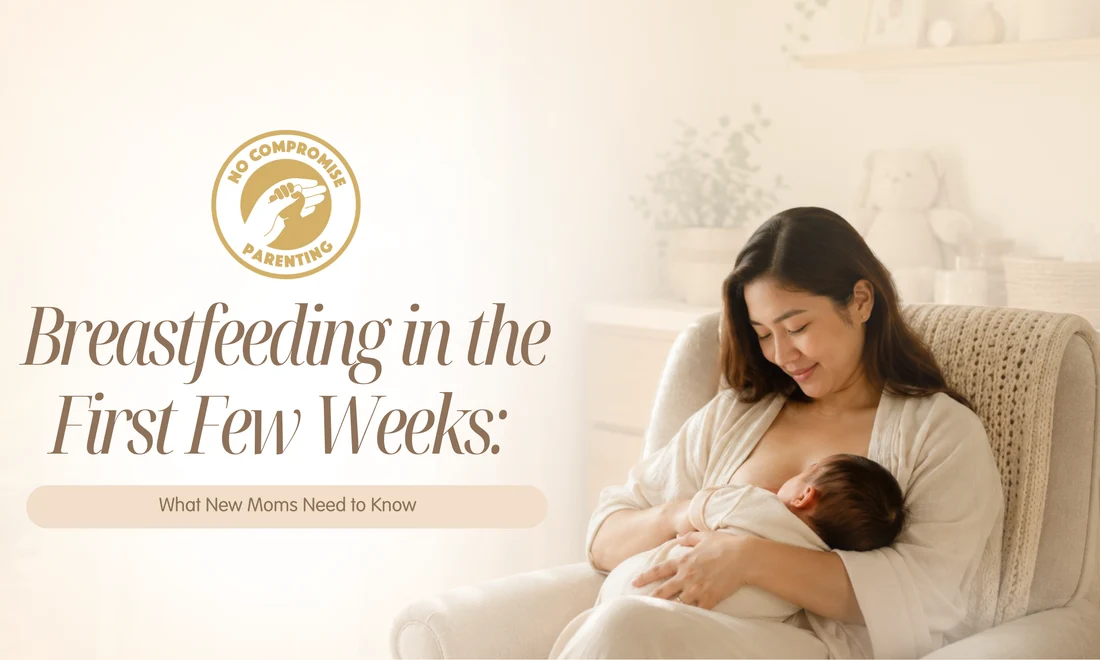
"I thought breastfeeding would come naturally. Why does it feel so hard?" It's a question many new moms quietly ask themselves during the first few weeks after giving birth.
While breastfeeding is a natural way to nourish a baby, it doesn't always feel natural at first. Both mom and baby are learning together, and that learning takes time. If you're feeling uncertain, you're not alone.
Why the First Few Weeks Can Feel So Overwhelming

The early days of breastfeeding come with many firsts. You're learning your baby's hunger cues, finding a comfortable feeding position, and adjusting to frequent feedings—all while recovering from childbirth.
It's also common to receive advice from family, friends, and even social media. While often well-intentioned, too much information can leave parents wondering which advice to trust. Feeling unsure doesn't mean you're doing something wrong—it simply means you're navigating a new experience.
Myth or Fact?
Myth: If my baby wants to feed again soon after a feeding, it means I'm not producing enough milk.
Fact: Frequent feeding, especially during the first few weeks, is often normal. Newborns may go through periods of cluster feeding, where they nurse more often to help establish milk supply and support their growth.
If you have concerns about your baby's feeding or weight gain, don't hesitate to speak with your pediatrician or a certified lactation consultant.
Three Gentle Reminders for New Moms
- Celebrate progress, not perfection. Every successful latch, every feeding, and every small improvement is a step forward.
- Accept support when it's offered. Whether it's your partner preparing a meal or a family member holding the baby while you rest, small acts of help can make a big difference.
- Ask questions early. If something feels uncomfortable or you're unsure about your breastfeeding journey, reaching out for guidance can provide reassurance and practical solutions.
Did You Know?
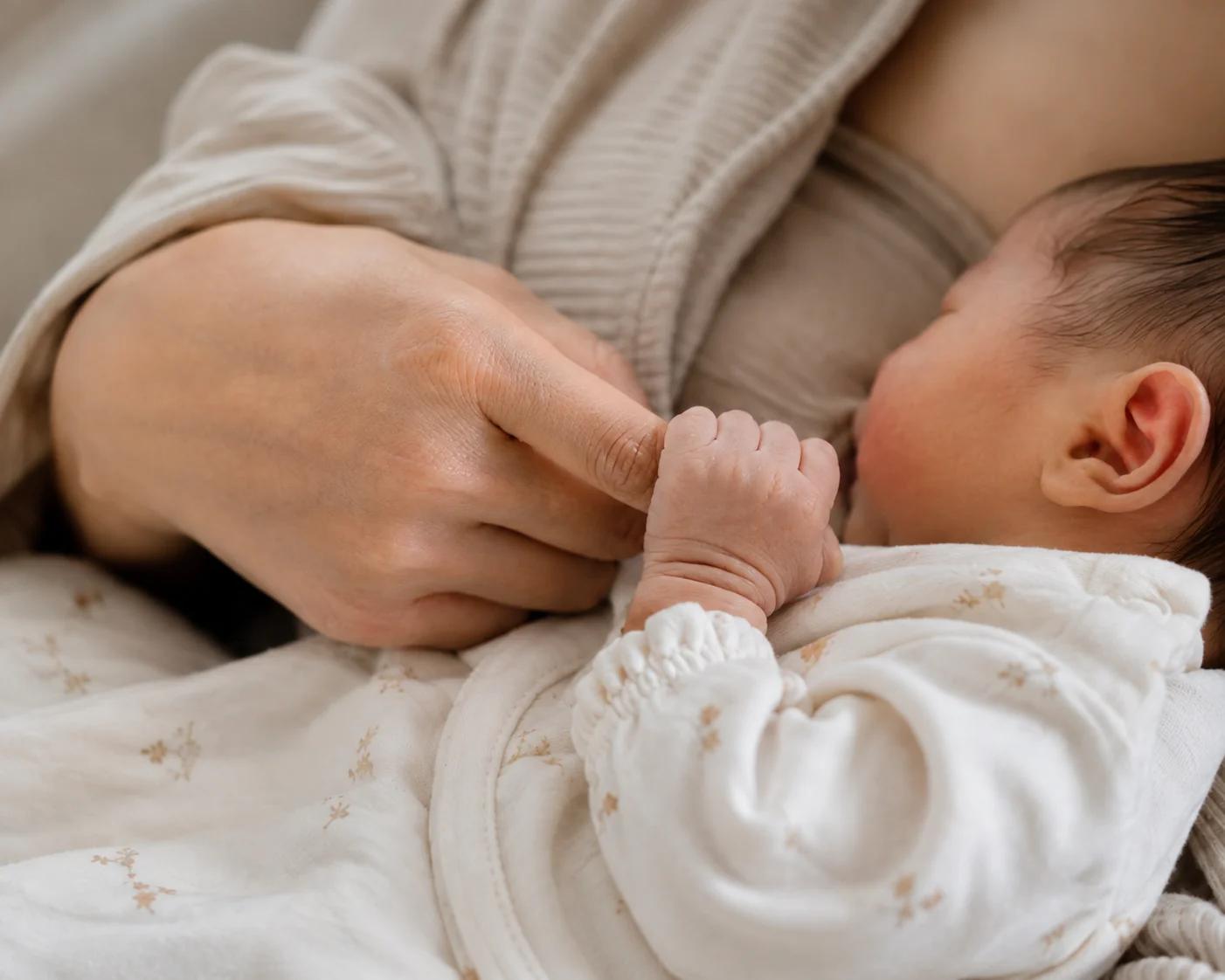
According to the World Health Organization, exclusive breastfeeding is recommended for the first six months whenever possible, while continuing breastfeeding alongside complementary foods up to two years and beyond. Every family's journey is unique, and support from healthcare professionals can help parents make informed feeding decisions.
One Feeding Doesn't Define Your Journey

Some days will feel easier than others, and that's okay. Breastfeeding confidence isn't built in a single perfect feeding. It's built through patience, learning, and the support you receive along the way.
Remember that every family's feeding journey is different. What matters most is finding the approach that supports both you and your baby.
