Breastfeeding
A Guide to Safely Cleaning and Storing Your Baby Bottles
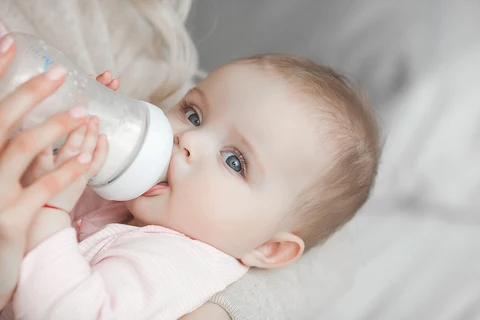
Since your little one's immune system isn't strong enough yet, it's essential to clean items like their bottles in safe and proper ways. Safely cleaning and storing baby bottles helps protect your baby from getting sick and shields their delicate tummy from bacteria and gastrointestinal infections. So how exactly can we keep baby bottles as safe and clean as possible? Here are some tips!
Disassemble and Rinse All Parts
Baby bottles are designed with different parts that can easily be separated. Disassembling the bottle makes it more convenient to clean each part thoroughly and get rid of any excess milk hiding in the crevices.
Bottles can easily get contaminated, and bits of milk getting stuck will only attract bacteria even more. Be sure to inspect and clean every part, especially the nipples and caps. You can also use a washbasin solely for your baby bottles.
Wash with a Natural, Non-Toxic Yet Highly Effective Bottle Wash
It's best to avoid regular dishwashing soaps, as they contain harsh chemicals like surfactants and other potentially harmful ingredients—especially on bottles that go directly into your baby's mouth.
As mentioned, your baby's immune system is still quite weak, so they need all the help they can get to avoid sickness, allergies, and infections. There are products with natural formulations that are gentler and safer for babies. If you'd like to go the all-natural route, make sure the product is highly effective in cleaning even greasy breast milk residues, and most importantly, able to kill germs and bacteria.
To know if an all-natural product is really safe and effective, look for certifications like SGS—the global leader in inspection, verification, and certification—or the USDA BioPreferred label, which gives assurance the product is safe for your baby and the environment too.

Allow Bottle Parts to Air-Dry Completely
You can use a drying rack to properly dry your baby bottles after washing, while also maximizing counter space. You can also place wet bottles on a clean, unused kitchen towel so they don't make direct contact with a bare surface. It's not recommended to pat dry baby bottles with paper towels, as there's a possibility of transferring bacteria. Air drying is the best option to prevent unwanted microorganisms.
Sterilize to Increase Safety
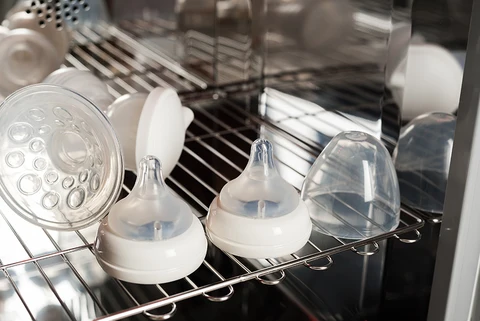
Sterilizing is the process of killing any harmful germs clinging to the surfaces of bottles and other equipment. It's important to sterilize baby bottles before each use, for at least the first 12 months of your baby's life. You can sterilize by boiling, steaming, or using sterilizing equipment—some sterilizers even have a drying function for extra convenience.
Store in a Clean and Dry Space
If you have a small space, a sterilizer with a drying function that also doubles as a storage location will be very helpful. If you have extra storage areas, you can dedicate a closed cabinet for your baby bottles—and don't forget to clean and monitor these storage spaces too! Where you keep your baby's bottles is just as important as the items themselves. Water can be home to bacteria and dust is a primary cause of allergies, so always make sure your storage area is clean, dry, and dust-free.
As a no-compromise parent, choosing safe and effective products that protect your baby will put your mind at ease and keep your little one happy and healthy.
